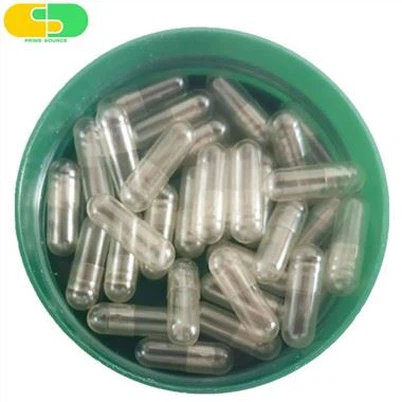
Is There Anyone Who Cannot Use HPMC Hollow Capsules?
Leave a message
HPMC hollow capsules should be used with caution or prohibited in the following populations:
Allergic individuals
Although HPMC hollow capsules have a very low allergen risk (only 0.3% -0.5%), a very small number of people who are allergic to plant cellulose derivatives may still experience allergic reactions (such as rash, respiratory symptoms). If known to be allergic to HPMC or related excipients, it should be prohibited.
Specific religious or dietary taboo groups (to be determined based on specific products)
Halal certified products: HPMC hollow capsules themselves comply with Halal standards, but if non Halal ingredients (such as certain pigments and lubricants) are added to the capsules, they may not be suitable for people who strictly follow Halal diets.
Kosher certified products: Similarly, it is necessary to confirm whether the capsules and contents meet Kosher standards.
Vegetarians: HPMC hollow capsules are of plant origin, but it is necessary to ensure that no animal derived excipients (such as certain lubricants) are used during the capsule production process.
Special disease or treatment status population (to be determined based on drug properties)
Severe liver and kidney dysfunction: The metabolism and excretion of HPMC capsules may be affected by liver and kidney function. If the contents are drugs that require liver and kidney metabolism, the risk needs to be evaluated.
Patients with gastrointestinal diseases, such as intestinal obstruction, intestinal stenosis, etc., need to confirm whether the capsule is prone to retention or discomfort in the gastrointestinal tract.
Children or elderly individuals: The dosage should be adjusted according to the specific medication dosage and capsule specifications to avoid swallowing difficulties or inaccurate dosage.
Population at risk of drug interactions
Moisture absorbing drugs: HPMC capsules have strong moisture resistance and are suitable for filling with moisture absorbing drugs (such as vitamin C and certain antibiotics). However, if the drug reacts chemically with the capsule shell (such as strong acid or strong alkali drugs), compatibility testing must be conducted to verify.
Photosensitive drugs: If the capsule does not contain a light blocking agent (such as titanium dioxide), it may not fully protect the photosensitive drug, and opaque capsules or additional packaging should be selected.
Prohibited scenarios for HPMC hollow capsules:
The contents are severely incompatible with the capsule shell: if the drug causes hydrolysis, discoloration, or adsorption of active ingredients on the capsule shell, it will affect the efficacy of the medication.
Specific regulations or standard restrictions: If certain countries or regions have special regulations on plant derived excipients, compliance needs to be confirmed.