From Gelatin To Plant Capsules: The Safe And Upgraded Path Of Pharmaceutical Excipients.
Leave a message
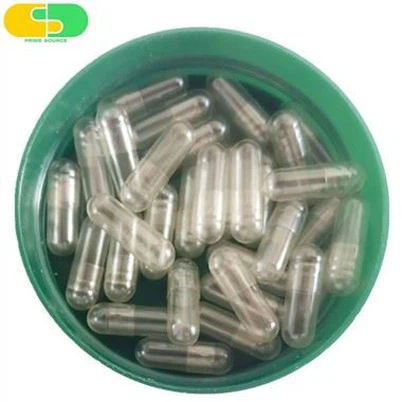
Hollow capsules are mainly used to contain solid or liquid drugs and are an important pharmaceutical excipient. Their quality directly affects the safety and stability of the drug. At present, most of the capsules on the market are gelatin capsules with a history of over a hundred years of use.
It has a wide range of sources, suitable price, good film-forming and mechanical properties, smooth appearance, good transparency, and good disintegration behavior. However, with the rise of personalized new drugs, higher requirements are placed on the stability and safety risk assessment of capsules. In addition, the global trend of advocating natural consumption has led to the emergence of plant-based capsules, and market demand is showing a strong growth trend.
Strong growth in demand for plant capsules market
At present, the mature raw materials for plant capsules are mainly hydroxypropyl methylcellulose (HPMC) and pullulan polysaccharide, and hydroxypropyl starch is also used as raw material.
Among them, HPMC plant capsules are the most widely used. It is mainly made of plant cellulose and has the characteristics of low moisture content, good stability, and not easily reacting with drugs. It is particularly suitable for drugs that are sensitive to humidity, easily absorb moisture or oxidize. Pluran polysaccharide capsules have good oxygen barrier and film-forming properties, which can improve the storage stability of the contents to a certain extent, making them suitable for packaging drugs that are sensitive to oxygen. Hydroxypropyl starch capsules, as a rapidly developing plant-based material in recent years, have also attracted attention due to their natural and renewable sources.
Compared with traditional gelatin capsules, the advantages of plant capsules mainly lie in more controllable raw material sources, cleaner production processes, and more stable compatibility with drugs. Gelatin is derived from animal skin and bones, and may be affected by the origin of raw materials, processing techniques, and storage conditions; The raw materials for plant capsules are mostly plant extracts, which better meet the current consumer demand for natural, safe, and traceable products. At the same time, plant capsules do not contain animal derived ingredients, which can better meet the requirements of vegetarian communities, religious dietary norms, and some export markets for excipient sources.
However, the development of plant capsules still faces some challenges. Its production cost is usually higher than that of gelatin capsules, and some plant-based materials still need further optimization in terms of film-forming strength, brittleness, and disintegration speed. In the future, with the continuous improvement of pharmaceutical excipient standards, continuous improvement of preparation processes, and increasing demand for personalized formulations, plant capsules are expected to achieve greater breakthroughs in stability, safety, and applicability, becoming an important development direction in the field of pharmaceutical capsules.